Step-by-Step Guide to Repairing Rot Damage in Old Homes


Understanding Rot Damage in Old Homes
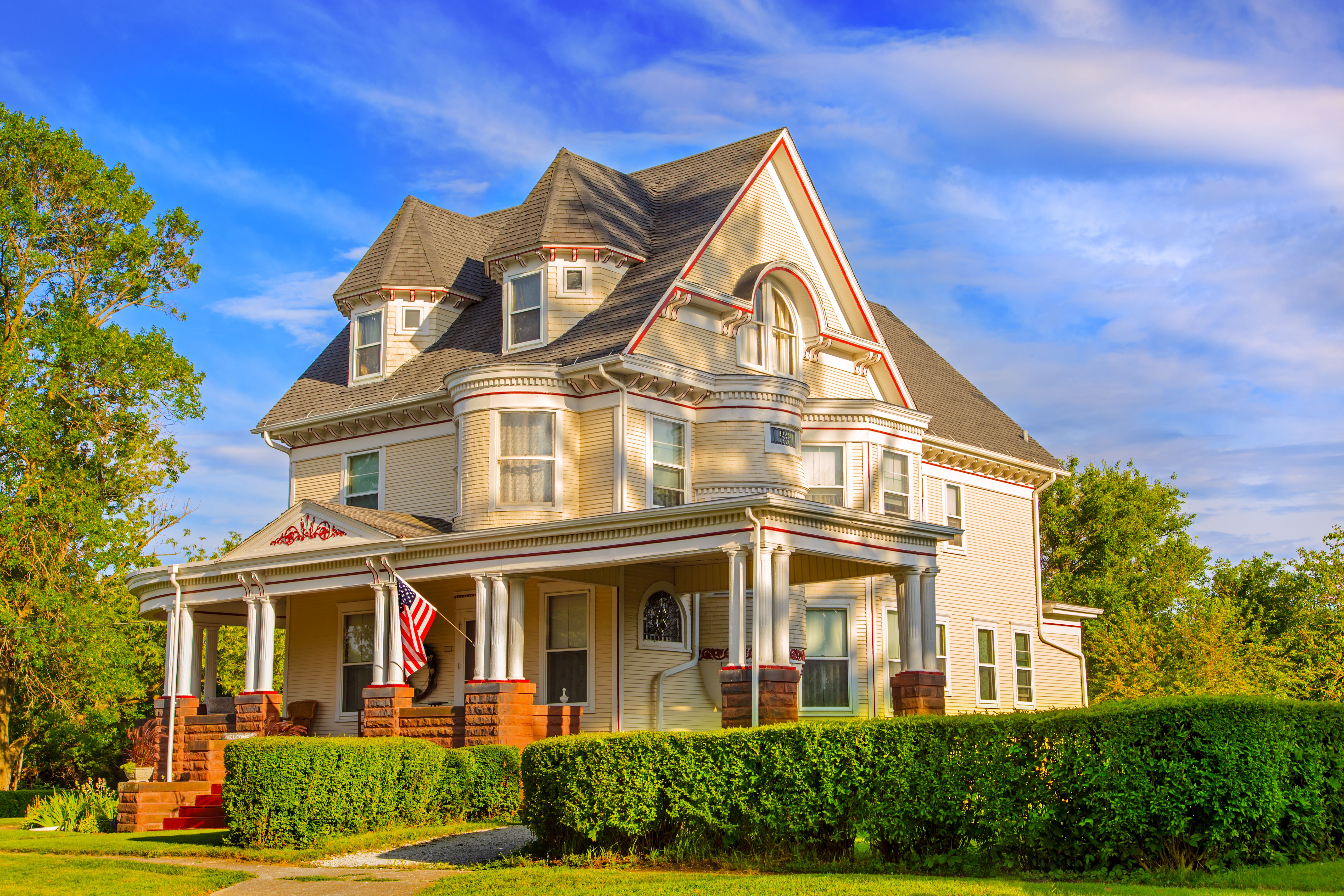
Old homes possess a unique charm, but they also come with their own set of challenges. One common issue is rot damage, which can compromise the structural integrity of a house. Whether it's caused by moisture, pests, or neglect, addressing rot damage promptly is crucial to preserving the beauty and safety of your historic home.
Identifying Signs of Rot
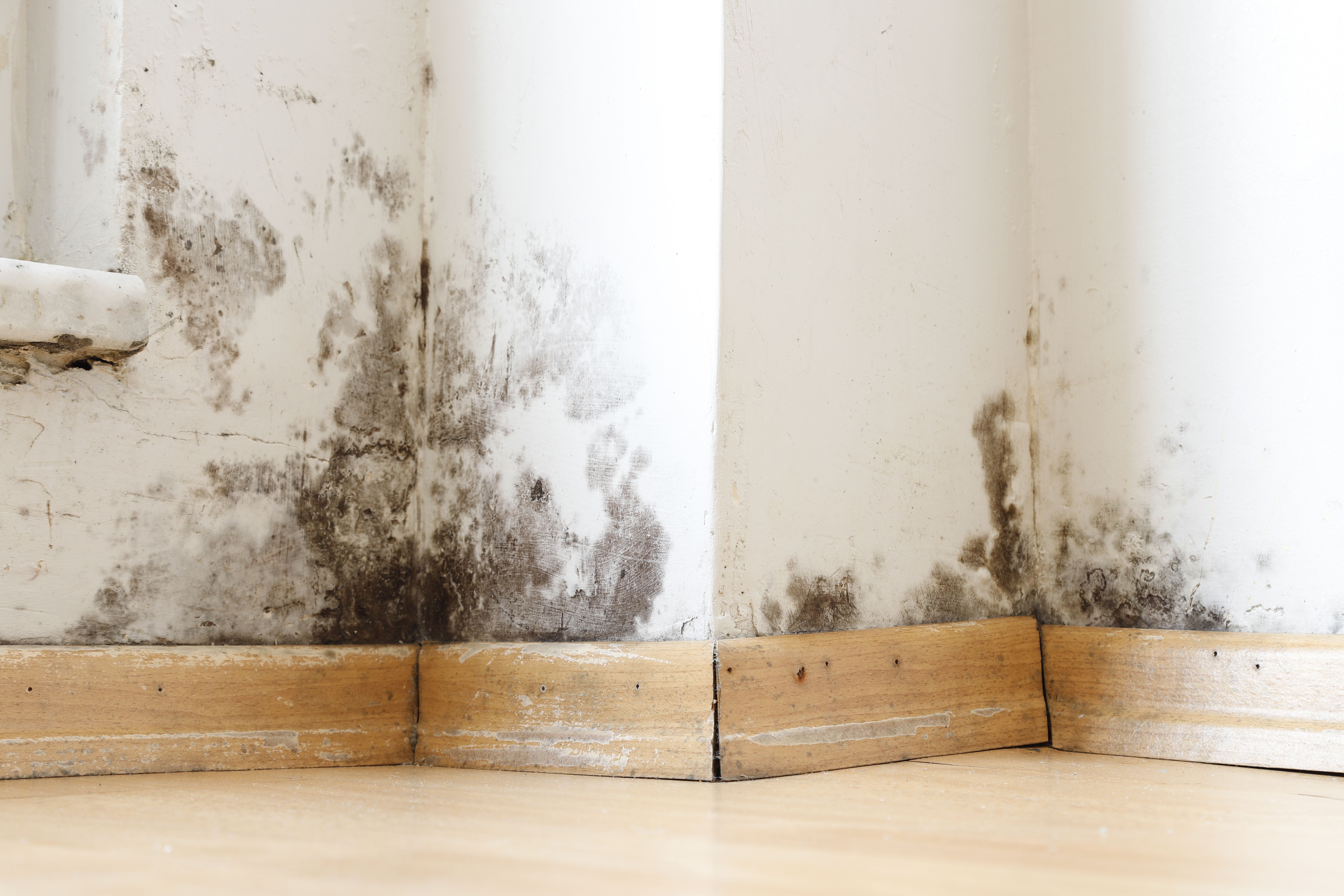
Before you begin repairs, it's essential to identify the signs of rot. Look for areas where wood appears discolored, soft, or crumbly. Pay special attention to spots near windows, doors, and roofs, as these are common areas for moisture accumulation. Using a screwdriver, gently probe the wood; if it penetrates easily, you likely have rot damage.
Another method to detect rot is to look for fungal growth or a musty odor. These are indicators that moisture has been present long enough for rot to develop. Early detection is key to preventing further damage.
Preparing for Repair
Once you've identified the affected areas, it's time to prepare for repairs. Begin by gathering necessary tools and materials, such as a pry bar, replacement wood, wood hardener, and wood filler. Safety gear is also crucial, including gloves, goggles, and a mask to protect against dust and mold spores.

Removing the Damaged Wood
Carefully remove the rotted wood using a pry bar or chisel. Be gentle to avoid damaging surrounding healthy wood. If the rot is extensive, you may need to replace entire sections, such as beams or panels. Cut away all affected areas until you reach solid, undamaged wood.
Dispose of the removed material properly, as it may contain mold or other harmful substances. Ensure the area is clean and dry before proceeding to the next step.
Repairing and Replacing Wood
For minor rot damage, apply a wood hardener to solidify the remaining wood. This step helps reinforce the structure and provides a stable base for wood filler. Once the hardener is dry, use wood filler to fill gaps and smooth the surface. Sand the area to achieve a seamless finish.
Replacing Major Components
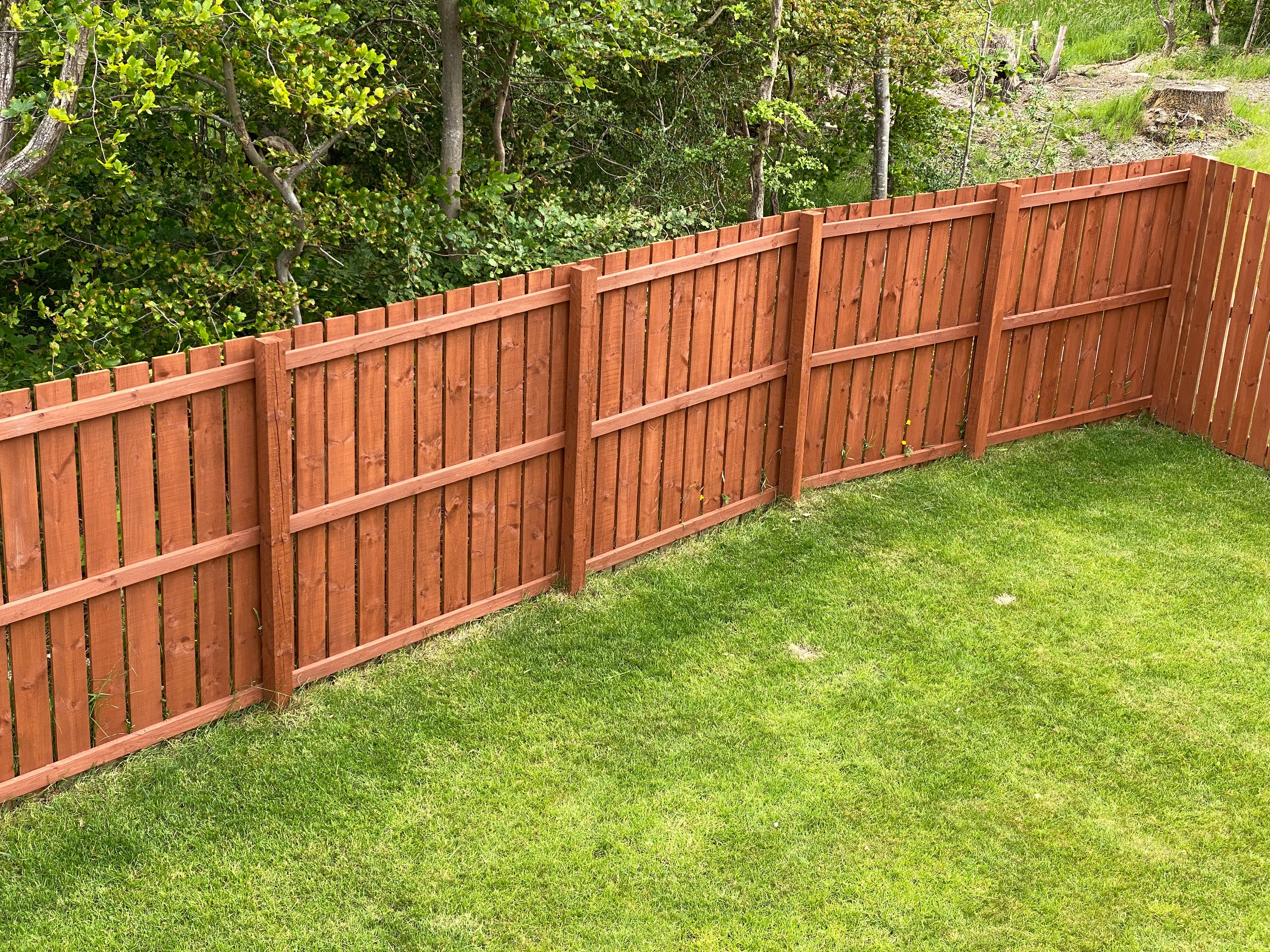
If large sections were removed, you'll need to replace them with new, treated wood. Ensure the replacement wood matches the existing structure in size and type. Secure the new pieces with nails or screws, and apply wood glue for additional stability.
After installation, seal the wood with a primer and paint or stain to protect it from future moisture. Regular maintenance and inspections will help prevent future rot issues.
Conclusion
Repairing rot damage in old homes requires patience and attention to detail. By following these steps, you can restore and preserve the charm of your historic home. Regular inspections and timely repairs are key to maintaining the structural integrity and beauty of your property for years to come.