From Rot to Restoration: A Case Study on Successful Home Repairs in Pawtucket


Introduction to Home Restoration
In the historic city of Pawtucket, home restoration has become a vital aspect of maintaining the charm and character of older properties. From dealing with rot to achieving stunning restoration, homeowners face various challenges that require careful planning and execution. This case study explores a successful home repair project that transformed a deteriorating property into a beautifully restored home.
Identifying the Problems
The journey began with a thorough inspection of the property. The home, built in the early 1900s, suffered from extensive wood rot, outdated plumbing, and an inefficient electrical system. Identifying these key issues was crucial in developing a comprehensive restoration plan.
Wood Rot and Structural Concerns
Wood rot was the most pressing issue, affecting the integrity of the home's structure. Key areas included the foundation, window frames, and roof. The restoration team prioritized these areas to prevent further damage.
Plumbing and Electrical Upgrades
Outdated plumbing and electrical systems not only posed safety risks but also affected the home's functionality. Upgrading these systems was essential to ensure the home met modern standards.

The Restoration Process
With a clear understanding of the issues, the restoration team developed a step-by-step plan to address each problem. The process involved several stages, each focusing on different aspects of the home.
Repairing and Replacing Damaged Wood
The first step involved repairing and replacing the damaged wood. The team used high-quality, rot-resistant materials to ensure longevity and durability. This step was crucial in restoring the structural integrity of the home.
Modernizing Systems
Next, the plumbing and electrical systems were upgraded. New pipes and wiring were installed, and energy-efficient fixtures were added to enhance the home's sustainability and reduce utility costs.

Final Touches and Aesthetic Enhancements
Once the structural and functional issues were resolved, the focus shifted to aesthetics. The team worked on restoring the home's original charm while incorporating modern design elements.
Interior and Exterior Finishes
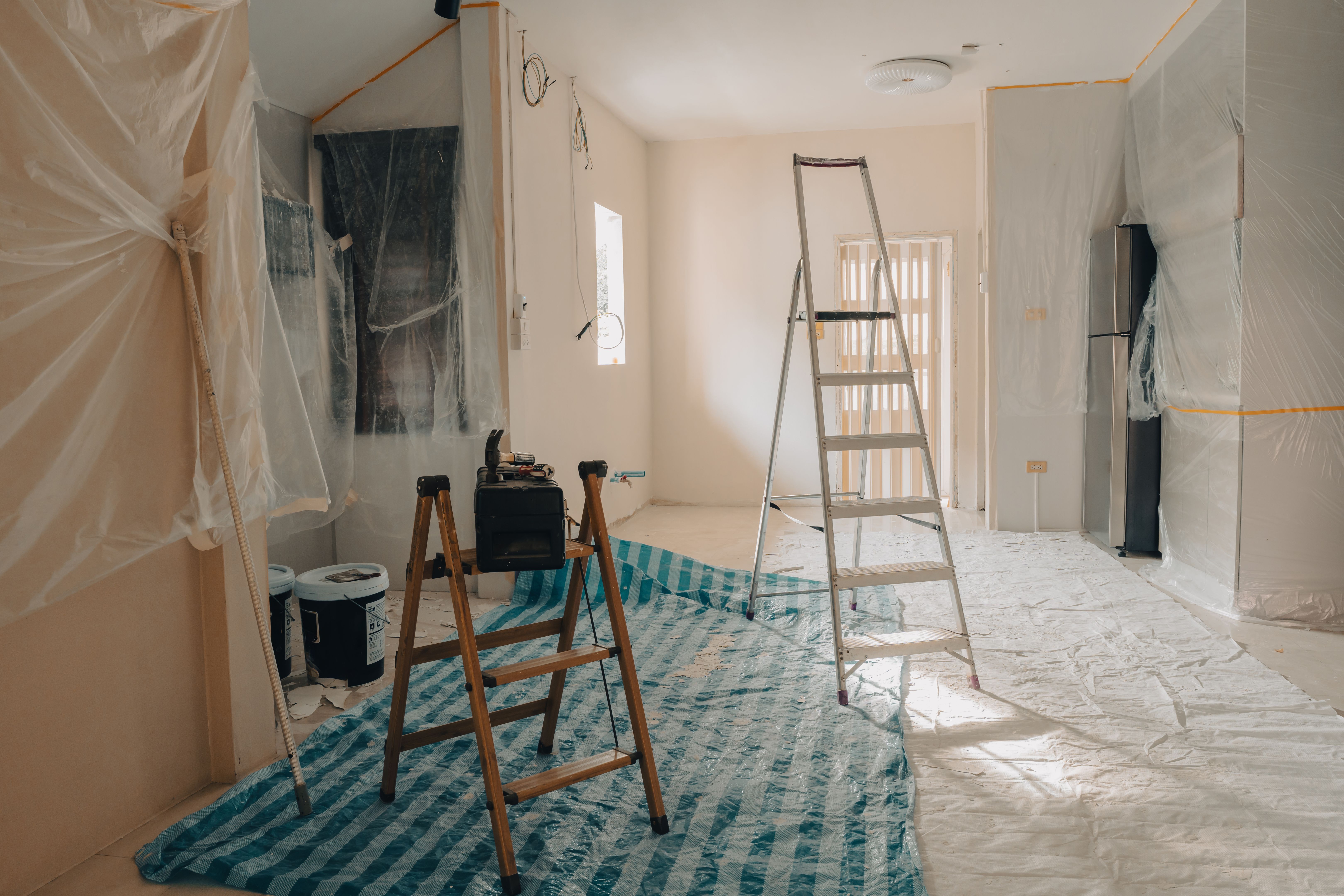
The interior received fresh paint, new flooring, and updated fixtures. On the exterior, the team restored the façade, ensuring it complemented the neighborhood's historic character.
Landscaping and Outdoor Spaces
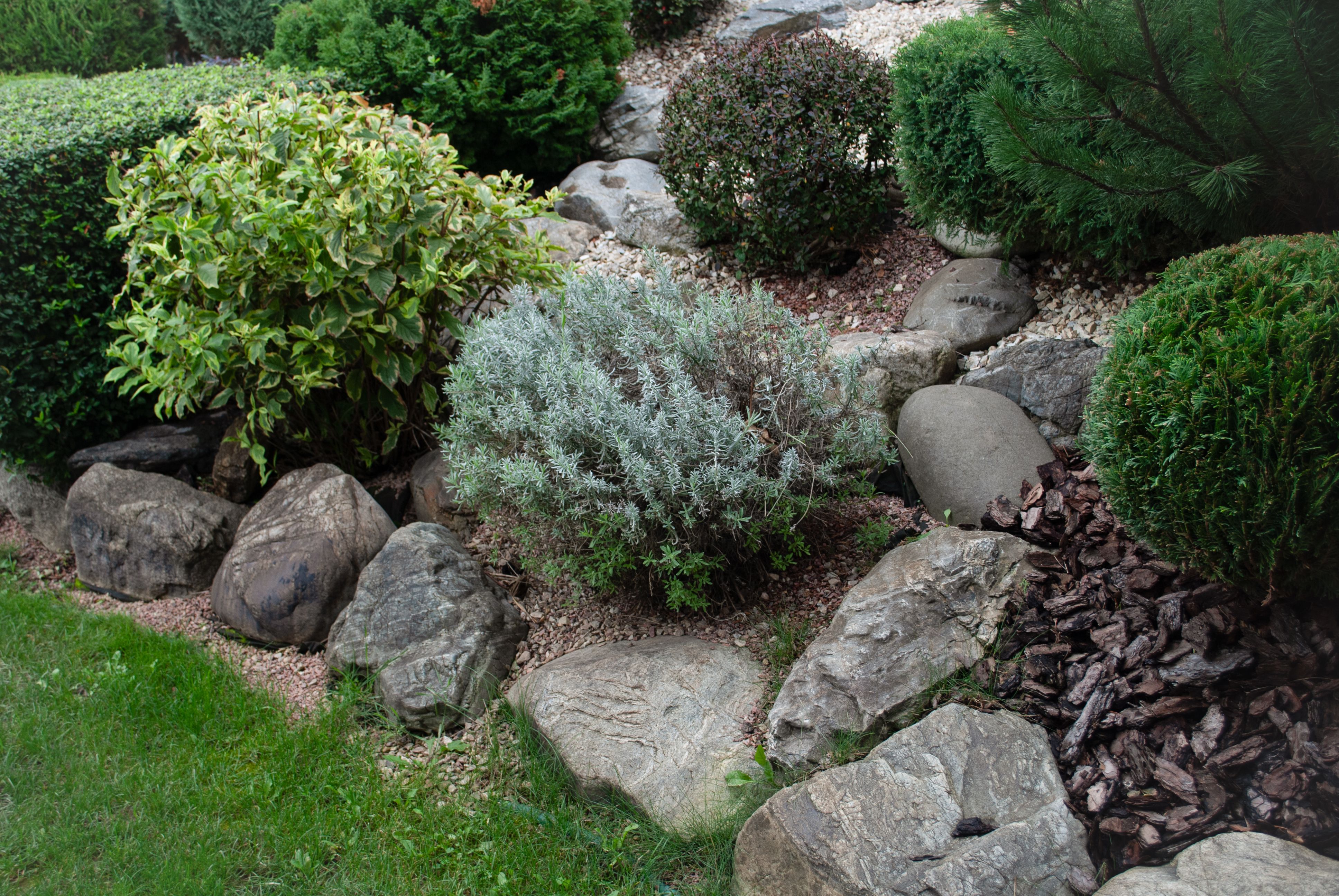
Finally, landscaping and outdoor spaces were revitalized to create a welcoming environment. Native plants were chosen to enhance the property's curb appeal and sustainability.
Conclusion: A Successful Transformation
The restoration of this Pawtucket home is a testament to the power of careful planning and skilled execution. By addressing structural issues, modernizing systems, and enhancing aesthetics, the project successfully transformed a neglected property into a stunning, functional home. This case study highlights the importance of comprehensive restoration in preserving the charm and integrity of historic homes.